BREAKING NEWS
Tampilkan postingan dengan label Ekonomi. Tampilkan semua postingan

Rabu, 10 Februari 2016

Yellen Sinyalkan Hike Rates, Tapi Tergantung Gejolak Pasar

Ketua Fed Janet Yellen mengatakan bahwa Federal Reserve masih mengharapkan untuk adanya kenaikan suku bunga secara bertahap di saat mereka juga berusaha membuat itu jelas bahwa masih berlanjutnya gejolak di pasar dapat membuat bank sentral tentunya menjauh dari beberapa kenaikan suku bunga yang telah diperkirakan oleh pembuat kebijakan untuk tahun 2016.

Yellen dalam testimoninya yang diberikan pada hari Rabu kepada House Financial Services Committee di Washington mengatakan bahwa kondisi keuangan di Amerika Serikat akhir-akhir ini menjadi kurang mendukung untuk pertumbuhan ekonomi. Pada perkembangan ini, jika ekonomi terbukti lesu, dapat membebani outlook untuk aktivitas ekonomi dan pasar kerja.

Yellen, yang memulai  testimoni selama dua hari di Capitol Hill juga mengatakan kepada anggota parlemen bahwa ketidakpastian atas prospek ekonomi China dan kebijakan nilai tukar "telah memperburuk kecemasan terhadap outlook untuk pertumbuhan global" dan ditambah dari penurunan terbaru dari harga minyak dan komoditas lainnya. Penurunan harga yang lebih dalam di harga komoditas dapat memicu tekanan di seluruh dunia yang akan mengancam terhadap permintaan ekspor AS, ucapnya.

Yellen masih membuka pintu untuk kenaikan di bulan Maret, meskipun dia tidak secara eksplisit merujuk waktu pengetatan kebijakan atau pertemuan atau pertemuan Fed selanjutnya.

Ward McCharthy, kepala ekonom di Jefferies LLC di New York mengatakan bahwa dia masih memegang senjatanya. Gejolak di pasar keuangan  tidak akan membuat mereka mundur. Itu bisa saja mempengaruhi kecepatan dimana mereka akan menormalkan suku bunga, namun mereka masih berkomitmen untuk menormalkan suku bunga.

Minggu, 07 Februari 2016

After 17 Years, ECB Reveals $547 Billion in Central-Bank Assets

http://traderbangunpagi.blogspot.co.id/2016/02/after-17-years-ecb-reveals-547-billion.html
The euro area’s 19 national central banks hold investment assets worth almost half a trillion euros, according to previously secret information published on Friday by the European Central Bank in Frankfurt.

The ECB set out details of the so-called Agreement on Net Financial Assets, a document signed before the introduction of the euro a decade and a half ago that regulated how the previously independent national central banks would manage their holdings of foreign currencies and bonds. While some of those national authorities have still to publish their individual accounts, the ECB said the outstanding amount stood at 490 billion euros ($547 billion) at the end of 2015.

Even though the assets are separate from those built up by the ECB for monetary policy purposes -- such as the current quantitative easing program -- the increase in the total level of holdings during the sovereign debt crisis has led to accusations that national authorities were printing money to serve their own governments, a practice that would be illegal under European law. ANFA sets quotas for each country and aims to prevent national central banks’ investment activity from interfering with monetary policy.
Confidential Document

“Although ANFA was previously a confidential document, the ECB and the national central banks of the Eurosystem took the unanimous decision that publishing the text along with an explanatory document would better serve their commitment to greater transparency,” the ECB said in the statement on its website, made after 9 p.m. Frankfurt time on Friday.

National assets have grown at an average rate of 5 percent per year since the introduction of euro banknotes in 2002, the ECB said, adding that the increase was slower than that for cash in circulation. National central banks will release more details about their ANFA activities in their respective annual reports.

The document also includes an annex on the calculation of the quota system, which regulates how much each national central bank can hold. Before the introduction of the euro, some national institutions had considerable assets, often related to the management of their currencies. The assets now are frequently related to the management of pension funds and other tasks not related to monetary policy.

The quota system became briefly controversial in 2013 when the Irish central bank was allowed to exceed its own limit in order to process a debt swap with the government related to the country’s banking collapse. The deal was criticized by Germany and others for being close to prohibited monetary financing.

“ANFA purchases are entirely a matter for national central banks,” ECB President Mario Draghi said at a press conference on Dec. 3. “I would exclude completely any possibility of monetary financing.”

Source : Bloomberg

Minggu, 30 Agustus 2015

Fed update: Wrap up on Jackson Hole

Several FOMC members have voiced their opinions this weekend at the Jackson Hole Symposium. The most important was Vice Chair Stanley Fischer who participated in a panel discussion on Saturday on inflation dynamics and monetary policy.  

Fischer delivered a speech which was somewhat more hawkish than what we heard  from NY Fed President Dudley last week. Fisher acknowledged the improvement in the labour market, stating that the latest run of employment gains were "well above the amount needed to continue the strengthening of the labor market". At the same time, he noted that the FOMC was surprised that despite the large improvement in the labour market and the drop in the unemployment rate, core inflation had not trended higher over the past five years. This led him to note that "While much evidence points to at least some ongoing role for slack in helping to explain movements in inflation, this influence is typically estimated to be modest in magnitude, and can easily be masked by other factors".

Moving on to explaining what was the factor behind current low inflation rates, he sounded pretty confident that they were mostly transitory and that the bulk of the impact on inflation had already been felt. In particular, he mentioned the impact from the USD, lower oil prices and the decline in other commodity prices would likely peak this year. Given the stable (consumer) inflation expectations, the Vice Chair expected that when these transitory factors dissipate, inflation would move towards the 2% target, but noticing some risks to this view given the decline in market based inflation expectations.  

"In terms of when to hike rates, we see Fischer's comments as consistent with a Fed rate hike in December", says Danske Bank. 

It seems that the Fed would like to get a little more confidence that inflation is moving in the right direction before hiking. However, it is also worth noticing that we do not need to see inflation rates anywhere near 2% before lift-off, as long as the trend in core inflation is not down. To sum up, George, Mester, Bullard and Lockhart are ready to hike either now or very soon. Kocherlakota wants to wait well into next year.

Sabtu, 22 Agustus 2015

5 Alasan yang Akan Buat The Fed Tunda Naikan Rate

Berkat pemulihan ekonomi AS, empat minggu dari sekarang The Fed diperkirakan mulai menaikkan suku bunganya untuk pertama kalinya dalam satu dekade.

Tapi minutes dari rapat bulan lalu, yang dipublikasikan semalam, menyampaikan sinyal yang lain. Dalam minutes itu memang disebutkan para pejabat mengakui adanya perkembangan yaitu tingginya penyerapan tenaga kerja. Pada dasarnya, The Fed hanya mampu mencapai satu dari dua mandatnya, yaitu ketenagakerjaan maksimal. Pertumbuhan lapangan kerja sangat pesat, yang menyebabkan tingkat pengangguran turun ke 5,3% atau terendah dalam tujuh tahun.

Tapi masih ada serangkaian masalah yang dapat mempengaruhi pengambilan keputusan the Fed. Serangkaian masalah ini bisa menghambat rencana the Fed antara sekarang dan nanti, baik internal maupun eksternal. Berikut lima faktor yang berpotensi membuat the Fed menunda kenaikan suku bunga.

Apresiasi Dollar
Dollar terus menguat dalam setahun terakhir, yang didukung oleh pemulihan ekonomi AS dan prospek kenaikan suku bunga the Fed. Selain itu, penguatan dollar juga disebabkan oleh lesunya ekonomi negara lain, baik maju maupun berkembang. Yield obligasi AS terus menanjak, dianggap imbal hasil yang menarik di saat negara maju lain menawarkan tingkat lebih rendah.

Masalahnya, penguatan dollar membuat barang impor menjadi lebih murah, mengurangi tekanan inflasi. Penguatan dollar juga menekan ekonomi negara berkembang, yang sanat rentan dengan fluktuasi nilai tukar. Sudah banyak negara yang mengalami pelemahan nilai tukar di saat ekonomi lesu, seperti Indonesia, Brazil, Meksiko dan Turki. Kenaikan suku bunga the Fed tentunya bisa menambah tekanan ke ekonomi mereka.

Perlambatan China
Minutes dari rapat bulan lalu juga menunjukkan para pejabat khawatir dengan perkembangan di China. Padahal rapat ini terjadi sebelum devaluasi yuan. Mereka melihat kejatuhan bursa saham China tidak akan banyak berdampak pada prospek pertumbuhannya. Tapi sebagian pejabat khawatir perlambatan tajam ekonomi China bisa membahayakan prospek ekonomi AS.

Sejak rapat itu, kondisi memburuk dengan China mendevaluasi mata uang nya. Langkah itu dianggap sebagai upaya China mendorong ekspor, mengguncang pasar keuangan global karena menimbulkan kecemasan ekonomi China lebih buruk dari dugaan. Pelemahan yuan bisa memicu perang mata uang di kawasan, yang kemudian semakin memperkuat dollar AS. Selain itu, defisit perdagangan AS bisa bertambah.

Perlambatan Lapangan kerja

Meski lapangan kerja tumbuh pesar, minutes menunjukkan para pejabat masih khawatir kondisinya belum cukup sehat. Mereka berpandangan masih banyak orang yang berhenti mencari kerja dan tenaga ahli yang terpaksa bekerja paruh waktu. Bila laporan payroll Agustus, data payroll terakhir yang akan dilihat the Fed sebelum rapat September, menunjukkan angka yang lebih rendah dari bulan lalu, the Fed bisa menunda kenaikan.

Melesetnya Target Inflasi
Bukan hanya penguatan dollar yang menghambat laju inflasi, tapi juga penurunan harga komoditas. Harga minyak terus jatuh, menyentuh ke level terendah dalam 5 tahun. Banyak pengamat mengatakan prospek meningkatnya ekspor minyak Iran setelah pencabutan sanksi bisa semakin menekan harga. Meski positif untuk konsumen, hal ini bisa mempersulit the Fed mencapai target inflasi 2%. The Fed pernah mengatakan tidak akan menaikkan suku bunga sampai yakin inflasi bisa kembali ke target.

Kisruh RAPBN AS
Kongres AS kembali bekerja bulan depan setelah resesi selama Agustus dan banyak pekerjaan menunggu, di antara merampungkan RPABN pada 1 Oktober dan menaikkan pagu utang untuk mencegah default. Adanya ancaman bangkrutnya pemerintah AS (government shutdown) dan kisruh anggaran yang menyebabkan the Fed menunda pemangkasan program pembelian obligasi pada 2013. Hal yang sama bisa terulang kembali, memaksa the FEd menunda kenaikan suku bunga.

Minggu, 16 Agustus 2015

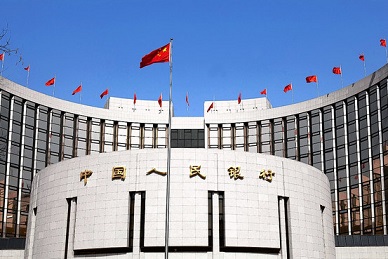
Bank Sentral China Jamin Tak Ada Pelemahan Yuan Lagi

Bank Sentral China (PBOC) memberi jaminan kepada pasar bahwa tidak ada alasan untuk yuan jatuh lebih dalam lagi, membantah spekulasi ada keingingan di Beijing untuk pelemahan lebih lanjut.

Di saat yuan melemah untuk hari ketiga, Kamis kemarin, PBOC memastikan pihaknya punya alat untuk menjaga stabilitas yuan dan membuka kemungkinan nilai tukar kembali menguat di masa mendatang. PBOC mengatakan lingkungan ekonomi kuat, surplus perdagangan, kondisi fiskal yang terjaga dan cadangan devisa berlimpah memberi dukunga yang kuat pada nilai tukar.

Pernyataan ini ditujukan untuk menjawab isu seputar adanya dorongan dari tingkat tinggi agar nilai tukar lebih ditekan. Reuters mendapat laporan dari sumbernya bahwa kekuatan besar dalam pemerintah mendesak agar yuan dibiarkan melemah lebih jauh lagi, dengan devaluasi mencapai 10%.

Tapi Deputi Gubernur Yi Gang menepis isu itu, sembari mengklaim tidak perlu menyesuaikan yuan untuk mendongkrak ekspor. Ia juga berjanji pihaknya akan memperbaiki mekanisme penetapan harga yuan, lebih membuka pasar valasnya dan menarik investor asing dengan meliberalisasi pasar keuangan.

Senin, 10 Agustus 2015

Yunani yakin kesepakatan bailout akan tercapai

Yunani dan para krediturnya menggelar pertemuan tertutup untuk membicarakan persyaratan penggelontoran bailout ketiga. Pada Selasa (10/8) kemarin, perundingan berlangsung hingga larut malam.

Menurut dua orang sumber Bloomberg, pihak negosiator fokus terhadap detil, termasuk outlook fiskal, dengan nilai total bailout diprediksi sedikit lebih tinggi dari 86 miliar euro atau US$ 95 miliar.

Sementara, berdasarkan laporan Kantor Berita Athena, kedua belah pihak setuju mengenai target defisit anggaran yakni 0,25% dari Produk Domestik Bruto pada 2015, 0,5% surplus di tahun 2016, 1,75% surplus di 2017, dan 3,5% surplus pada 2018.

"Perundingan antara kedua belah pihak berlangsung lancar. Ada sejumlah pertanyaan dan isu yang ingin mereka diskusikan lagi dan lagi. Tapi saya rasa, ada optimisme bahwa akan tercapai kesepakatan tak lama lagi," jelas Menteri Keuangan Euclid Tsakalotos kepada reporter di Athena.

Jika kesepakatan tercapai, parlemen Yunani harus menyetujui kebijakan yang menjadi persyaratan kreditur -ECB, IMF, dan badan dana penyelamatan European Stability Mechanism- sebelum rapat menteri keuangan zona euro yang dijadwalkan Jumat mendatang digelar.

Sumber : BLOOMBERG

Minggu, 02 Agustus 2015

Waiting for lift-off UK interest rate rises

To gauge how high interest rates will go, and how fast, we need to understand how fiscal and monetary policy interact, writes Gavin Kelly

 With prominent members of the Bank of England’s monetary policy committee (MPC) – not least the governor – lining up in recent weeks to talk up the prospect of rate rises at some point in the coming months, this week’s meeting has already sparked another burst of speculation about when the first hike in eight years will happen.

Whatever your take on the exact timings of monetary lift-off – whether you’d opt for August or April – the far more important issue is the medium-term path of increases that follow.

And the nature of that path depends on all manner of things – not least George Osborne’s fiscal plan.
This is, of course, a statement of the screamingly obvious. It’s hardly news that what the Treasury does affects Threadneedle Street and vice versa. Which is why it is surprising that the overall mix of monetary and fiscal policy – and how the two interact – is so rarely put under the spotlight. 

Economic commentary tends to oscillate between focused bouts of fiscal and monetary scrutiny. But the balance between the two? Not so much.

The Bank takes account of the fiscal policy being set across town (welcome to the “monetary reaction function”). In seeking stable inflation, and in order to underpin growth, the theory is that the Bank conditions its monetary stance to take account of the chancellor’s fiscal choices. But external scrutiny of this policy interaction – assessments of whether the right balance has been struck – are hindered by a lack of transparency about these assumptions.

This is one reason why the recent speech by outgoing MPC member David Miles (to the Resolution Foundation) was an important one. It set out the extent to which fiscal policy will act as a drag on interest rates. 

In 2018 – by when, bear in mind, most of the work of austerity is expected to have been done – Miles calculates that fiscal consolidation will still drag interest rates downwards by more than 0.75% compared to what would otherwise be the case.

This is one of the factors explaining the (commonly held) assumption that interest rates will approach a “new normal” over the next few years that is likely to be about half as high as the 5% that prevailed pre-financial crisis. Even in the second half of the parliament this “fiscal headwind” will still be blowing strong.

Some caveats are needed. Miles was at pains to stress that these estimates are his own, not official Bank figures. Nor is it clear what the basis for this calculation is: is the counterfactual no austerity at all? What assumption is made about sterling? 

We should also note that the Miles figure differs from other calculations in the public domain. When the National Institute of Economic and Social Research (NIESR) looked at the interaction between the parties’ differing fiscal plans and interest rates it estimated that the Labour and Liberal Democrat fiscal plans would raise the base rate by 0.7 percentage points; whereas Conservative plans would raise them by 0.3 percentage points.

In other words, the extra tightening associated with achieving an overall surplus (Conservative) rather than a current budget one (Labour/Lib Dems) created a 0.4 percentage point drag on interest rates.

The case for introducing more transparency isn’t mere technocratic trimming. The balance struck between monetary and fiscal policy has big consequences. There are obvious distributional implications (all else equal, mortgage holders win; savers lose). 

There are ramifications too for the capital allocation process, the current account, and the risk of an asset-bubble. The list goes on: the macro-mix matters.

Above all better public understanding of the trade-offs between fiscal and monetary policy will help inform a key macro-policy dilemma of our times.

It’s quite likely that we are now closer to the next recession than we are to the financial crisis. And as things stand we are utterly ill-prepared: rockbottom interest rates and high levels of public debt leave us with few (conventional) policy tools. Creating more space for monetary policy to react to a future downturn is vital. Yet doing so precipitously would be hugely counterproductive, risking the very recession that we are seeking to avoid.

Monetary and fiscal policy matter greatly in their own right. Looked at in isolation we have robust institutions in place to hold policy-makers to account – far more so than was the case prior to the Bank gaining its independence and the creation of the OBR. But scrutiny of the overall macroeconomic policy mix? In some ways that’s become more opaque since policy responsibility bifurcated.

Securing the right blend of policy over the medium term is what we should be focused on. That requires more visibility of how policy makers think monetary and fiscal policy interact.

We now know a little bit more about this than we used to. But in an era defined by big economic uncertainties, which only serve to reinforce the need for policy transparency, wouldn’t it be better if all this was brought out into the open?

Source : Theguardian

Kamis, 30 Juli 2015

The Fed tetap membuka kemungkinan kenaikan suku bunga

The Fed tetap membuka kemungkinan kenaikan suku bunga tapi menegaskan ingin melihat dulu perbaikan ekonomi dan kenaikan inflasi sebelum melakukannya.
Pernyataan dari the Fed pasca rapat regulernya memang tidak menyediakan waktu kenaikan. Banyak analis memperkirakan kenaikan pertama terjadi pada September nanti, tapi sang ketua Janet Yellen menegaskan bahwa keputusan kenaikan rate bergantung pada ekonomi ekonomi terkini.

Memang, dalam pernyataan itu, the Fed mengakui lapangan kerja, perumahan dan pembelanjaan konsumen membaik. The Fed masih optimis inflasi bisa menyentuh targetnya 2%. Pernyataan rapat terakhir hanya sedikit berubah dari rapat bulan sebelumnya, di mana modifikasi mengindikasikan ekonomi semakin sehat.

Menggambarkan kondisi lapangan kerja, the Fed untuk pertama kalinya menyebut ”solid” untuk pertumbuhan lapangan kerja dan penurunan tingkat pengangguran, yang menyentuh level terendah dalam tujuh tahun di 5,3%. Selain itu, the Fed mengindikasikan hanya membutuhkan sedikit lagi perbaikan lapangan kerja, bukannya perbaikan sigfinikan seperti sebelumnya, sinyal bahwa lapangan kerja mendekati maksimal.

Michael Hanson, ekonom dari Bank of America Merrill Lynch, mengatakan pandangan optimis the Fed mengenai lapangan kerja mengindikasikan para pejabat semakin dekat dengan kenaikan suku bunga. Ia memperkirakan itu terjadi pada September. “Mereka belum memutuskannya, tapi kita semakin dekat dengan memenuhi kriteria untuk kenaikan suku bunga,” katanya.

Yellen pernah menekankan bahwa bila the Fed menaikkan suku bunga, hanya akan dilakukan secara bertahap. Tujuannya agar tetap membantu ekonomi yang masih membutuhkan bunga rendah. Ia mengindikasikan kenaikan dalam jumlah kecil, lalu rehat sembari mengevaluasi dampak kenaikan itu.

Sumber : Strategydesk

Rabu, 29 Juli 2015

Penguatan Dollar Bisa Picu Krisis Mata Uang

Dollar sudah terlalu kuat bagi beberapa negara, berada di level tertinggi dalam beberapa tahun, yang terjadi di saat ekonomi lesu. Situasi ini menimbulkan ancaman krisis mata uang.

Mata uang Brazil, real, menyentuh level terendah dalam 12 tahun kemarin. Mata uang negara di Asia Tenggara, termasuk Indonesia, berada di level terendah sejak krisis moneter 1998. Mata uang Meksiko dan Afrika Selatan juga terpuruk karena apresiasi dollar.

Berdasarkan sejarah, penguatan dollar berdampak besar, bahkan bisa menimbulkan bencana. Dalam reli di awal 1980an, apresiasi dollar sampai menyebabkan krisis utang di Amerika Latin. 15 tahun kemudian, dollar melambung lagi, menyebabkan ekonomi Asia Tenggara seperti Indonesia dan Thailand hancur setelah krisis perbankan. Krisis mata uang skala besar bisa memukul ekonomi global, bahkan termasuk AS, mengingat dunia kini lebih terintegrasi dibandingkan 1980an dan 1990an.

Para pengamat mengatakan tiga hal yang akan datang berpotensi memicu krisis, yaitu apresiasi dollar atas mata uang dunia, the Fed menaikkan suku bunga pada September, dan mesin pertumbuhan emerging markets, komoditas, terus merosot harganya. Banyak investor di emerging markets resah dengan kenaikan suku bunga the Fed dan penguatan dollar.

Menurut data dari the Fed distrik St. Louis, dollar menguat 20% terhadap major currencies dibandingkan tahun lalu. Kedigdayaan dollar, yang didukung oleh prospek kenaikan suku bunga the Fed, menguat 8% atas mata uang emerging markets. Tapi bila melihat lebih dekat, jauh lebih buruk bagi sebagian. Dollar menguat 61% atas ruble Rusia, 43% atas real Brazil dan 19% atas lira Turki.

Hal ini tentunya menjadi masalah besar bagi negara dan bisnis yang punya utang berdenominasi dollar. Negara seperti Turki, Meksiko dan Indonesia punya 20% utang pemerintahnya pakai dollar, menurut laporan Moody’s. Bagi perusahaan, semakin mahal utang maka semakin rendah laba dan harga saham.

Di saat yang sama, perlambatan ekonomi China menurunkan permintaan komoditas. Kondisi ini menambah kekhawatiran mengenai prospek ekonomi negara yang bergantung pada ekspor komoditas. Belum lagi beberapa negara juga punya masalah tersendiri, seperti Brazil yang sedang resesi.

Menurut para ahli, negara yang telah menjalani reformasi ekonomi, seperti India dan Meksiko, mungkin mampu bertahan dengan penguatan dollar, meski dengan susah payah. Tapi bagi lainnya, yang lambat dalam melakukan pembenahan, apresiasi dollar bisa bisa menjadi malapetaka bagi ekonomi mereka.

Sumber : StrategyDesk

Minggu, 26 Juli 2015

Pembicaraan Bailout Yunani Akan Tertunda

Pembicaraan antara Yunani dan kreditor internasional atas paket bailout baru akan tertunda beberapa hari karena masalah organisasi, kata seorang pejabat kementerian keuangan, Sabtu kemarin.

Pertemuan dengan para pejabat dari Komisi Eropa, Bank Sentral Eropa dan Dana Moneter Internasional seharusnya mulai Senin setelah terlambat untuk masalah termasuk lokasi pembicaraan dan keamanan pekan lalu.

Seorang pejabat kementerian keuangan, yang menolak disebutkan namanya, mengatakan pembicaraan antara tim teknis dari pemberi pinjaman akan mulai pada hari Selasa, sementara kepala misi akan tiba di Athena dengan penundaan beberapa hari karena alasan teknis.

"Alasan penundaan itu adalah tidak politis, maupun diplomatik," tambah pejabat itu.

Yunani telah melihat inspeksi kunjungan oleh pemberi pinjaman di Athena sebagai pelanggaran kedaulatan negara dan enam bulan negosiasi sengit dengan mitra Uni Eropa berlangsung di Brussels pada permintaan pemerintah.

Pejabat Departemen Keuangan membantah sebelumnya pada Sabtu bahwa pemerintah berusaha untuk menjaga tim pemberi pinjaman 'dari departemen pemerintah dan tidak punya masalah dengan mereka mengunjungi Kantor Akuntansi Umum.

Ketika ditanya apakah pemerintah sekarang akan memungkinkan Uni Eropa, IMF dan ECB kepala misi untuk mengunjungi Athena untuk membicarakan pinjaman baru, Menteri Negara Alekos Flabouraris mengatakan: "Jika perjanjian mengatakan bahwa mereka harus mengunjungi Kementrian, kami akan menerima itu."

Kebingungan sekitar awal diharapkan pembicaraan pada Jumat menggarisbawahi tantangan ke depan jika negosiasi harus dibungkus dalam waktu untuk bailout senilai hingga 86 miliar euro untuk disetujui di parlemen sebesar 20 Agustus, seperti Yunani bermaksud.

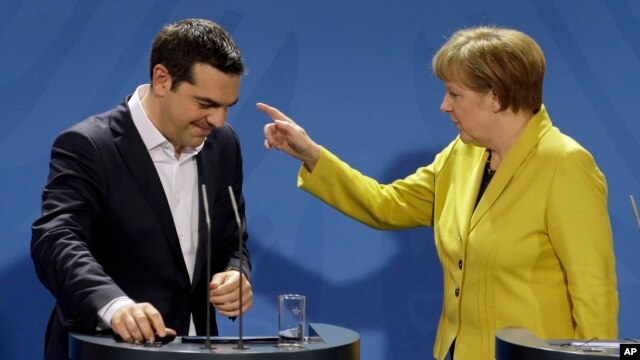
Sudah, Perdana Menteri Alexis Tsipras sedang berjuang untuk mengandung perlawanan di sayap kiri partai Syriza nya yang membuat tergantung pemerintahnya pada orang dari partai-partai oposisi pro-Eropa untuk mendapatkan hal bailout sulit disetujui di parlemen.

Salah satu pembantu terdekat Tsipras 'mengatakan bahwa pemahaman dengan partai-partai oposisi tidak bisa bertahan lama dan solusi yang jelas diperlukan, menggarisbawahi harapan luas bahwa pemilu baru mungkin datang secepat September atau Oktober.

"Negara ini tidak bisa berlangsung dengan pemerintah minoritas lama. Kita perlu jelas, solusi yang kuat," kata Menteri Negara Nikos Pappas yang Ependysi mingguan dalam wawancara yang diterbitkan pada hari Sabtu.

Terlepas dari hal pinjaman baru, Yunani dan pemberi pinjaman juga diperkirakan akan membahas keberlanjutan utang, yaitu sekitar 170 persen dari PDB. Yunani telah berulang kali meminta penghapusan utang dan IMF mengatakan ini diperlukan untuk kesepakatan Yunani untuk menjadi layak.

Tsipras, yang sejauh ini merupakan politisi paling populer di Yunani menurut jajak pendapat, mengatakan prioritasnya adalah untuk mengamankan paket bailout sebelum berurusan dengan dampak politik perlawanan dari partai Syriza.

Menurut sebuah jajak pendapat oleh Metron Analysis  untuk surat kabar Parapolitika pada hari Sabtu, 61 persen dari orang-orang Yunani memiliki pandangan positif terhadap Tsipras, 36 persen yang tidak setuju. Sebuah mayoritas - 78 persen - masih ingin Yunani untuk tetap di zona euro terhadap 19 persen mendukung kembali ke "drachma".

Tsipras menegaskan tidak ada alternatif untuk bailout tetapi telah waspada mencolok terhadap lawan partainya dalam upaya untuk tetap bersama-sama, setidaknya sementara pembicaraan dilanjutkan.

Flabouraris menyerukan perlawanan Syriza untuk menjatuhkan oposisi mereka.

"Mereka masih rekan saya dan saya mendorong mereka untuk kembali ke indra mereka bahkan pada saat-saat terakhir," katanya kepada televisi Skai. "Mereka harus menyadari bahwa gerakan Kiri kini berkuasa. Ini bukan partai oposisi. Sekarang kita harus membahas lanskap baru."

Sumber : Reuters dengan bantuan Google translate ^_^

Jumat, 24 Juli 2015

Utang Menumpuk, IMF Peringatkan Jepang

Utang pemerintah Jepang saat ini mencapai US$ 11 triliun atau sekitar Rp 143.000 triliun. Rasio utang ini mencapai 245% bila dibandingkan dengan PDB negara tersebut.

International Monetary Fund (IMF) menyebutkan, jumlah utang Jepang akan meningkat 3 kali lipat di 2030. Pemerintah negeri sakura ini harus segera beraksi.

"Utang pemerintah Jepang sudah tidak bertahan dengan kebijakan sekarang. Harus ada konsolidasi fiskal dalam jangka menengah untuk menata utang-utang ini," demikian pernyataan IMF seperti dilansir dari CNN, Jumat (24/7/2015).

Secara berulang dalam laporannya, IMF meminta Jepang untuk mengontrol utangnya yang menggunung tersebut. Negara ini memang masih mengalami pemulihan dari periode deflasi yang panjang, karena pemerintahnya menarik utang besar untuk membiayai program-program yang mendorong pertumbuhan ekonomi.

IMF meminta pemerintah di negara dengan ekonomi ketiga terbesar di dunia ini untuk menyeimbangkan pertumbuhan ekonomi dan pengurangan utang. Contohnya, kebijakan kenaikan pajak konsumsi akan mulai berlaku April 2017. Itu berarti, banyak uang yang akan masuk ke pemerintah, namun ekonomi akan berjalan lambat. IMF meminta Jepang mencari jalan untuk mendorong ekonominya.

Jepang, ujar IMF, juga perlu untuk melanjutkan program reformasi struktural yang prioritas.

Sebelumnya, Ekonom UGM, Tony Prasetiantono pernah mengatakan, Jepang masih bisa bertahan sebagai negara maju meski jumlah utangnya sudah 2 kali lipat dari nilai ekonominya.

"Karena Jepang utangnya ke rakyat sendiri, bukan ke luar negeri," kata Tony.

Seperti dilansir dari Forbes, ada 7 negara dengan rasio utang terhadap PDB yang di atas 100%. Itu berarti, jumlah utangnya sudah melebihi nilai perekonomiannya.

Namun dari 7 negara ini, hanya satu negara yang saat ini berstatus bangkrut, yaitu Yunani. Berikut daftarnya berdasarkan data 2014:
  •  Jepang, dengan rasio utang 227,2%. Dari rasio di 2014 165,5%
  •  Yunani, dengan rasio utang 175,1%. Dari rasio di 2014 98,6%
  •  Italia, dengan rasio utang 132,6%. Dari rasio di 2014 103,9%
  •  Portugal, dengan rasio utang 129%. Dari rasio di 2014 57,6%
  •  Singapura, dengan rasio utang 105,5%. Dari rasio di 2014 98%
  •  Amerika Serikat (AS), dengan rasio utang 101,5%. Dari rasio di 2014 62,7%
  •  Belgia, dengan rasio utang 101,5%. Dari rasio di 2014 94,2%
Sumber : Detik

Rabu, 08 Juli 2015

Lupakan Yunani, kondisi Tiongkok lebih parah & bisa sulut krisis dunia

 Mata masyarakat dan investor dunia kini tertuju pada drama bangkrutnya Yunani. Namun, investor seharusnya lebih khawatir dengan apa yang terjadi di negara dengan penduduk sekitar 1,4 miliar orang dengan PDB terbesar kedua dunia, yaitu Tiongkok.

Pasar saham Tiongkok mulai dari The Shanghai Stock Exchange Composite Index dan Shenzhen Stock Exchange Composite Index merosottajam mencapai 30 persen dari angka tertingginya. Ini terjadi karena kekhawatiran investor pada saham perusahaan Tiongkok yang sedang mengalami gelembung atau bubble. Pemerintah Tiongkok bahkan telah mengeluarkan beberapa kebijakan untuk mengurangi anjloknya pasar saham. Namun ini malah balik menyerang pemerintah sendiri.

Regulator pada hari Minggu mengatakan bahwa mereka akan menyediakan lebih banyak modal untuk entitas dan memungkinkan pinjam uang untuk membeli margin lebih atau praktik meminjam uang untuk membeli saham. Membeli margin ini sangat berisiko.

Para ahli menyebut, naiknya pasar saham Tiongkok pada awal tahun ini disebabkan karena banyaknya investor membeli saham dengan utang. Dan, ketika saham pertama mulai jatuh bulan lalu, banyak investor menjual saham mereka dengan cepat untuk membayar utang. Hal ini menjadi pemicu merosot tajamnya pasar saham Tiongkok.

Bahkan kondisi ini diperkirakan bisa lebih buruk karena investor menyadari bahwa perlambatan ekonomi Tiongkok mengikis keuntungan perusahaan.

"Pasar saham Tiongkok tidak didukung oleh fundamental negara. Sebaliknya, pasar sedang diangkat oleh pinjaman pemerintah dan manipulasi," ucap pendiri Pento Portofolio Strategies, Michael Pento seperti dilansir dari CNN di Jakarta, Selasa (7/7).

Penyelamatan pasar saham juga dilakukan oleh broker Tiongkok dengan membeli saham di Shanghai Composite. Namun hal ini diyakini akan menimbulkan masalah baru.

Asisten profesor bidang keuangan dari Warwick Business School di Inggris, Lei Mao mengaku khawatir dengan kebijakan pemerintah Tiongkok yang dapat menggembungkan nilai perusahaan besar dengan mengorbankan banyak perusahaan kecil. Kebijakan pemerintah terbukti tidak terlalu efektif, hal ini dilihat dari Shanghai Composite yang hanya mampu naik tidak lebih dari 2 persen. Sedangkan Shenzen Composite tetap turun hampir 3 persen.

Pasar saham Tiongkok tenggelam dengan cepat beberapa waktu terakhir. Apakah ini pertanda krisis ekonomi dan kekacauan seperti 2008?

Tiongkok saat ini adalah mitra dagang terbesar kedua bagi Eropa dan Amerika Serikat. Selain itu, Tiongkok adalah adalah salah satu konsumen komoditas terbesar dunia. Penurunan harga saham tentu akan mempengaruhi ekonomi dunia secara langsung.

Harga minyak dunia turun pada hari Senin kemarin dan banyak yang menyalahkan Yunani dan penurunan nilai tukar Euro. Tidak banyak yang berpikir kalau kondisi ini terjadi karena pengaruh kondisi di Tiongkok.

"Lihatlah cerita yang ditulis tentang penurunan harga minyak dunia saat ini, dan mereka akan berbicara tentang bagaimana permintaan minyak turun di Yunani. Saya harus berpikir lagi, ini permintaan Yunani? menurut saya permintaan Tiongkok," ucap Direktur EverBank Global markets, Chuck Butler dalam laporannya.

Melihat kondisi Tiongkok saat ini, menurut Chuck Anda bisa mengabaikan Yunani seutuhnya. Jangan terlalu terjebak dengan berita di Eropa.Tiongkok lebih berpengaruh pada ekonomi global dan bisa menyulut krisis.
 
Sumber : Merdeka.com

Jumat, 10 April 2015

Yunani Bayar Utang ke IMF

Pemerintah Yunani hari Kamis kemarin, telah membayar utang sebesar $495 juta kepada Dana Moneter Internasional (IMF).

Langkah Yunani itu telah mengurangi ketidakpastian dan memberikan rasa lega kepada para investor. Pembayaran utang itu sangat penting dan akan membantu Yunani berada di posisi yang semakin dekat untuk mendapat paket dana talangan internasional dan tetap berada di zona euro.

Para menteri keuangan negara-negara zona euro awal tahun sepakat untuk menambah dana talangan bagi Yunani dengan syarat negara itu menyerahkan rencana reformasi ekonomi yang baik.

Athena mengajukan sejumlah langkah pekan lalu untuk menanggulangi penghindaran dan penggelapan pajak. Angka pengangguran di Yunani kini dua kali lipat dibanding di negara-negara lainnya di zona euro.

Selasa, 31 Maret 2015

US economic recovery – still strong or losing momentum

Recent faltering in economic dockets has raised debates, whether the US economy can still bolster stronger recovery.
  • It is a fact that some of the economic dockets have deteriorated compared to prior. US GDP grew at 2.2%, lower than expected 2.4% in the fourth quarter.

  • Yesterday Dallas FED manufacturing business index deteriorated to -17.2 much lower than previous -11. Stronger dollar continue to pose headwinds for the economy.
However all is not just bad news.
  • On the other hand, some of the dockets remained stronger than expected. Yesterday's release show that personal income grew at 0.4% better than expected and core PCE deflator remain well anchored in positive territory growing 1.4% YoY.
  • Last week saw jobless claims to go down towards +282K, close to multi decade low.
To clear up things, let's focus on micro geographic level where slowdown is expected to be more visible. Texas is the oil hub of US and latest payroll report showed job losses in the petroleum sector, however that could be due to recent strike.
  • Chart explains business cycle index for top metros in Texas. The index is constructed based on aggregated movements in local unemployment rate, Gross state product, inflation adjusted wages and inflation adjusted retail sales. Chart courtesy Dallas FED.
  • The index increased in February, with another positive number. Index still growing in all 5 major metro politian area except for Houston.
Similar assessment over current indicators suggest that US is still growing, may not be at a neck break pace and economy might be strong enough to handle rate hikes by FED this year.

Dollar bulls seem to be taking note of such, pushing the dollar higher. However FED has enough room to push hike further, should the strength of dollar become a primary concern. Dollar index is trading at 98.6, up 0.68% today.

Fitch Affirms China at 'A+' With Stable Outlook

Fitch Ratings has affirmed China's Long-Term Foreign and Local Currency Issuer Default Ratings (IDRs) at 'A+'. The issue ratings on China's senior unsecured foreign and local currency bonds are also affirmed at 'A+'. The Outlooks on the Long-Term IDRs are Stable. The Country Ceiling is affirmed at 'A+' and the Short-Term Foreign Currency IDR at 'F1'.

KEY RATING DRIVERS

China's 'A+' IDRs with Stable Outlook reflect the following key rating drivers:-
- China's macroeconomic performance is strong on almost any comparison.

 The five-year average growth rate to 2015 of 7.8% is more than double the 'A' median of 3.1% or 'AA' median of 3.2%. However, China's remarkable growth has been accompanied by a build-up of imbalances and vulnerabilities. Fitch expects growth of 6.8% in 2015 and 6.5% in 2016, well below the 10.5% average over 2001-2010, as the economy goes through a period of adjustment and rebalancing. Fitch's base case is for a relatively smooth transition towards a less credit-intensive and more consumption-oriented, if likely slower, growth path. However, the economy's structural weaknesses give rise to various risks to this relatively benign scenario.

- Aggregate indebtedness of the economy rose to 242% of GDP by end-2014 in Fitch's estimate, up from 128% at end-2008. Fitch expects it to rise further in 2015, posing mounting systemic risk. The stand-alone credit profiles of the banks comprising China's system are weaker than is generally the case for countries whose sovereigns are rated in the 'A' range. Fitch believes the reported non-performing loan ratio for commercial banks of 1.25% at end-2014 is probably deeply understated. Risks remain associated with the proliferation of "shadow banking" activity since 2009, despite recent regulatory action to curb it.

- The agency's expectation that the economy's adjustment will be relatively orderly is based partly on an assessment that the authorities' capacity for economic management remains high, given the state-dominated nature of the system. However, there is a risk of a more disruptive and credit-negative adjustment. Fitch's estimate of China's investment/GDP rate in 2014 of 47.9% in 2014 is the fourth-highest of any rated sovereign. The rise in the investment rate from an average 42% over 2002-2008 coincided with a boom in residential real estate construction. The real estate boom began to unwind in 2014 as credit disbursement slowed, a process that almost certainly has much further to go. A sharper slowdown in construction and real estate development that leads to job losses poses a downside risk to China's economy.

- The sovereign's external balance sheet is China's core credit and rating strength. Official foreign reserves of trn at end-2014 dwarf government external debt of USD34.2bn at end-September 2014 (latest available). China's ratio of sovereign net foreign assets (SNFA) to GDP, at 41.4% of GDP at end-2014, was far stronger than the 'A' median of 9.3% and the eighth-highest of any Fitch-rated emerging market sovereign.
- The country's external finances overall are a strength. China's net external creditor position of 41.5% of GDP at end-2014 greatly exceeded the 'A' range median of 7.5%, and was the second-strongest in the 'A' category. The country has run an annual current account surplus since 1994. The liquidity ratio is projected at 509% in 2015, well above the 'A' median of 104% and the 'AA' median of 155%. Fitch does not yet view the rise in private sector external debt and greater volatility of capital flows since 2012 as a risk to the sovereign ratings, although these factors do complicate economic policy-making.

- The Chinese central government has low explicit debt. On-balance-sheet gross central government debt was just 16.6% of GDP while fiscal deposits were 5.6% of GDP at end-2014. However, Fitch believes the Chinese central government faces a range of contingent liabilities. In particular, there is still insufficient clarity over the fiscal indebtedness of local governments (LGs). Fitch estimates China's general government debt (including LGs) at 55.2% of GDP at end-2014, above the 'A' range median of 47.9%. The agency acknowledges that further disclosures on LG debts expected during 2015 could reveal a higher or lower figure. Fitch assesses the public finances as a neutral factor in China's credit profile overall.

- The authorities have committed to a range of structural reforms that could lay the foundations for more sustainable growth in future. Deposit interest rate liberalisation (leading to higher rates) could prove a powerful engine for rebalancing by effectively transferring wealth away from more leveraged corporates towards households, which are net savers. The anti-corruption drive may be viewed as a political strategy by the leadership to centralise power, but could also improve resource allocation by reducing graft.

- China's level of income and development remains low for the 'A' peer range, despite years of rapid growth. Governance indicators are weak for the 'A' range according to the World Bank's framework of indicators. Transparency is low for a relatively highly-rated sovereign, in particular with respect to LG debts and bank balance sheets.

RATING SENSITIVITIES

The Stable Outlook reflects Fitch's view that upside and downside risks to the ratings are balanced. The main factors that individually or collectively could lead to rating action are:

Positive:

- Progress on structural reform oriented towards sustainable longer-term growth

- Increasing evidence that the economy was adjusting smoothly

- Greater clarity on the strategy to address the debt problem in the economy, including at LGs

Negative:

- A sharper growth slowdown than currently anticipated, leading to a rise in unemployment and/or a materialisation of risks to financial stability

- A rise in estimated general government indebtedness well above Fitch's current estimate

- A change in policy direction that increased economic imbalances and structural vulnerabilities, thereby increasing the risk of an eventual disorderly adjustment

KEY ASSUMPTIONS

- The ratings assume the global economy evolves broadly in line with the projections in the agency's Global Economic Outlook, and that the eventual rise in US interest rates does not prompt a global systemic crisis in emerging markets

- Recognising China's emergence onto the global stage, the ratings assume the continuation of an open global trade and financial system

- The ratings assume China's domestic social and political stability is broadly maintained and that regional geopolitical risks do not escalate sharply.

Unemployment divergence remains at large in Euro zone

German economy added more jobs in March and unemployment rate dropped to record low at 6.4%. For Italy on other hand saw unemployment rate tick up at 12.7%.
  • Divergence in economic activity suggests that core issue to the stability of Euro zone still persists, which is divergence between core and peripheral countries.
  • Structural issues since 2009 crisis gave rise to TARGET 2 imbalances across countries that saw rise close a trillion Euro. That dropped after measures were taken in 2012, however still hovering close to 500 billion Euro.
Weaker Euro will not be able to solve these structural issues faced by countries, which if remain unchecked will call for systematic crisis from time to time.
Chart explains unemployment gap between Germany and Italy.

  • While German unemployment is at 6.4% Euro zone unemployment still at 11.3%. However unemployment difference between Germany and Euro zone average is showing signs of improvement in recent readings.
  • Without a recovery in unemployment gap, depression of yield difference between Germany and periphery name Italy is a temporary phenomenon induced by ECB bond purchase.
  • Recovery in Euro zone remains a long term phenomenon, so weaker euro is here to persist for now. Euro is trading at 1.072 against dollar today.

Senin, 30 Maret 2015

Extraordinary Eurogroup meeting likely – disbursement not a done deal

With the Greek bank deposit run continuing apace and given the civil servant and pension payments due this week, the Greek government is said to be ready to deliver its list of reforms by Monday. Once this list has been submitted, a special Eurogroup meeting should be called to discuss the next steps.

If these reforms prove sufficiently far-reaching, a rapid - but maybe only partial - release of funds may be decided. This disbursement would arrive on time for the IMF loan repayment on 9 April of €460m. However, given the still tense recent discussions between Greece and the Institutions, this is far from being a done deal and a late IMF paymentcannot be ruled out.

To limit the accelerated erosion of deposits at Greek banks, the Eurogroup may even discuss the imposition of capital controls in Greece - in a similar vein to what was done in Cyprus in 2013. This would only buy some more time. In any case, even if a deal is not reached this week, the Eurogroup and Greece will need to come to an agreement rapidly on the reform process to move to the next topic, i.e. the negotiation for the post-current bailout.

"We believe Greece will need another bailout (worth €60-80bn) for the next three years as market access is set to remain closed for Greece unless a significant haircut to its debt is decided (i.e. Official Sector Involvement)", says Societe Generale. 

Impact of carbon reduction policies is rising globally

Moody's Investors Service says that the impact of carbon reduction policies is rising globally, creating credit risks in carbon-intensive industries but, at the same time, driving significant innovation and change across many industrial sectors.

"An increase in 'direct carbon liabilities', such as carbon permits and/or carbon taxes, as well as the emergence of disruptive technologies, such as solar power, are already having a tangible impact on rated companies in select carbon-intensive industries," says Brian Cahill, the Managing Director for Moody's Fundamental Group in Asia Pacific.

"But such policy action is also driving innovation and change across many industrial sectors; for example, technological innovation is very advanced in power generation where renewable energy, especially in parts of Europe, is established," says Raffaella Altamura, a Vice President and Senior Analyst based in Moody's Corporate Finance Group in Europe.

Cahill and Altamura were speaking on the release of a new Moody's Sector-In-Depth report, "Environmental Risks and Developments: Impact of Carbon Reduction Policies is Rising Globally".

Furthermore, even the most affected sectors enjoy some mitigating factors, says the Moody's report.
For example, in the power generation sector, regulated utilities are likely to experience some protection through adjustments to regulation, and thermal coal producers will continue to enjoy the growth of demand in emerging markets, especially China and India.

In the automotive industry, nearly all global players have established electric or hybrid car offerings, as they position themselves for possible long-term changes in end-user demand.

In addition, many of the players in sectors that are high carbon emitters have significant operating and financial flexibility that would mitigate the impact of policies for reducing carbon emissions.
"For oil and gas companies, including those with both upstream and downstream refining operations, the credit impact of tighter emissions regulations is more muted", says Gretchen French, a Vice President and Senior Credit Officer based in Moody's Corporate Finance Group in the United States.
"Increased costs from regulations are likely to be manageable for most companies, many of which have strong financial and operating profiles and a long history of adapting to and absorbing rising regulatory costs," says French.

However, the report notes that credit pressures are building generally for companies that have carbon-intensive products and limited ability to adapt. In addition, policy and regulatory risks are creating uncertainty that is in turn hindering investment decisions and investor flows, and while the impact of this uncertainty on most industries is harder to quantify, it is likely to become more significant as global carbon reduction policies tighten further.

Specifically, such uncertainty can raise questions about the future profitability of a business model, impacting both corporate decisions on future capital expenditure and investor decisions regarding investment allocations to certain corporates or industries.

The new Sector-In-Depth report is part of Moody's latest efforts at stepping up its research of environmental, social and governance (ESG) issues in view of the increasing influence such factors are exerting on corporate credit profiles globally and the rising prominence of associated challenges.


Subscribers can access the full report at http://www.moodys.com/viewresearchdoc.aspx?docid=PBC_1003462

Tensions in Middle East to add volatility in Crude

  • Conflicts between Iran and Saudi Arabia move to new heights over the weekend, as Arab leaders announced joint military forces to tackle Shite rebels, who are backed by Iran.
It's now a game of patience as deadline looms over nuclear talk. 31st March, tomorrow is previously announced deadline to reach an agreement between Iran and the world powers.
  • Over the weekend, Egypt announced to form a joint group for military intervention to prevent a Shia government backed by Iran in Yemen.
  • In the meantime, Saudi Arabia is continuing bombardments in Yemen, over rebel positions. Talks suggests it might consider ground troops.
Market impact -
  • Oil failed to gain much traction from the Middle East tensions, after first day's rise of near 5%.
  • However, recent price actions and options market suggest that both realized and implied volatility is on the rise.
  • Iran's response has so far been mute as it negotiates the nuclear deal, but that might change over coming months.
  • Next few days and weeks are vital for oil, as tensions in the region might add to upward pressure on oil, whereas a successful Iran negotiations would add to the downside.
As a net result Brent oil, which is trading at $56/barrel with a premium of $7.8/barrel over WTI would remain very volatile.

Brent might also attempt for an increase in spread with WTI.

Kamis, 19 Februari 2015

Key points of latest Greek proposal

In the latest stand off between the Greek government and the Euro zone creditors continue. The Greeks have proposed a draft. Important points in the proposal :
  • Greek government challenges the role of TROIKA (ECB, IMF, and European Commission) and says that citizens have rejected their role, but the government has not completely rejected their involvements in the future.
  • Government will undo the minimum wage level imposed and take it back to the level of 2012. This we believe will be difficult to agree.
  • 9.5 million addition to pensioner through the reduction in cuts. We believe this will be easier to agree on.
  • Change the primary surplus target to 1.5% of GDP instead of current 4.5%. The new agreed number could come out somewhere in the middle. 
  • Europe to transfer the remaining tranche of 1.9 billion to IMF as a repayment of due debt. This is a definite no go for the creditors without the extension of the current programme along with conditions attached.
  • Negotiation on payment to ECB of 6.7 billion due in 2015. This is another no go if austerity is not agreed on.
  • Extension of the deadline of bailout expiry, currently on 28th February, 2015. This could happen anyway if any solution does not come out till then.
  • Greek government expects larger tax revenue from its war on corruptive practices. We really doubt this position.
Greek government already halted the privatization of various assets like Greek ports.
We see at this stage, the gap is quite large between the negotiating parties and Greek drama to continue further. We have discussed the possible come outs in our previous post.
Euro is currently trading at 1.143 against the dollar up 0.4% for the day. We expect the exchange rate to remain range bound until some resolution comes out or situation deteriorates. 
 
Back To Top
Distributed By Blogger Templates | Designed By OddThemes